
Tired of the same old online betting experience? Let’s face it: clicking buttons on a screen just doesn’t cut it anymore. The thrill is often muted, the atmosphere non-existent. But what if you could step directly into the heart of the action, feeling the energy of the casino or racetrack without leaving your home?
That’s the promise of virtual reality (VR) betting. It’s not just a gimmick; it’s a fundamental shift in how we experience gambling. Having been involved with VR tech since its early days, I’ve witnessed its evolution firsthand, and I can confidently say that VR is poised to revolutionize the betting industry.
Prepare to explore the exciting possibilities of VR betting. You’ll learn about the technology driving this transformation, the benefits it offers players and operators, and the challenges that need to be addressed. By the end, you’ll have a clear understanding of why VR is the future of betting and how you can position yourself to take advantage of this exciting new frontier.
Understanding the Current Betting Landscape
The online betting industry has exploded in popularity, offering a convenient alternative to traditional brick-and-mortar establishments. This digital realm encompasses a wide array of options, from predicting the outcomes of major sporting events in sports betting to wagering on the fast-paced world of eSports. Traditional casino games like poker, blackjack, and roulette have also found a home online, attracting players with the promise of big wins from the comfort of their own homes.
However, the current online betting experience is not without its limitations. One major drawback is the lack of a truly immersive and realistic thrill. Players are often detached from the action, missing the atmosphere and social interaction of a physical casino or stadium. Furthermore, current online betting platforms often struggle to provide users with a sense of direct control over events. Technical issues, such as slow streaming speeds and unreliable platforms, can also detract from the overall experience. Finally, legal and regulatory hurdles continue to be a pain point for both operators and users, creating uncertainty and limiting access in some regions.
What is Virtual Reality and How Does It Work?
Virtual reality, or VR, is a technology that creates immersive, computer-generated environments. It effectively tricks your brain into believing you’re somewhere else entirely. Instead of viewing a screen, you’re placed inside the experience.
The primary tool for experiencing VR is a VR headset. These headsets feature displays for each eye, creating a stereoscopic 3D image that gives the illusion of depth. The resolution of these displays is crucial; higher resolution means a sharper, more realistic image. Another important factor is the field of view (FOV), which determines how much of the virtual world you can see at once. A wider FOV enhances the feeling of presence. Refresh rate, measured in Hertz (Hz), impacts the smoothness of the visuals; higher refresh rates reduce motion blur and eye strain.
Beyond visuals, VR often incorporates other sensory inputs. Haptics, for example, provides tactile feedback, allowing you to “feel” virtual objects. Motion tracking is also essential. Sensors in the headset and external devices track your movements, translating them into the virtual environment, so when you move your head or hands, your virtual avatar does the same. Popular VR headsets include those designed for gaming and general immersion, each offering varying degrees of resolution, FOV, refresh rate, and tracking capabilities. The combination of these elements creates a believable and engaging experience.
The Convergence: VR and Betting – A Natural Fit
Virtual Reality (VR) presents a compelling platform for betting, resolving many shortcomings of traditional online wagering. The core appeal lies in its capacity for immersion and interactivity, heightening user engagement and transforming the overall experience.
Consider the difference between online and VR casinos. Online platforms often feel detached; users click buttons and watch animations, lacking a tangible connection to the game. VR betting, however, injects realism. Imagine standing at a virtual craps table, your avatar interacting with other players, feeling the tension as the dice roll – it’s a far cry from passively observing on a screen.
This enhanced user experience stems from direct control and lifelike scenarios. Unlike online platforms, VR allows gamblers to move freely, observe events from different angles, and engage in realistic social interactions. This convergence of realism and control creates a visceral experience that keeps players engaged and invested.

Key Benefits of VR Betting for Users
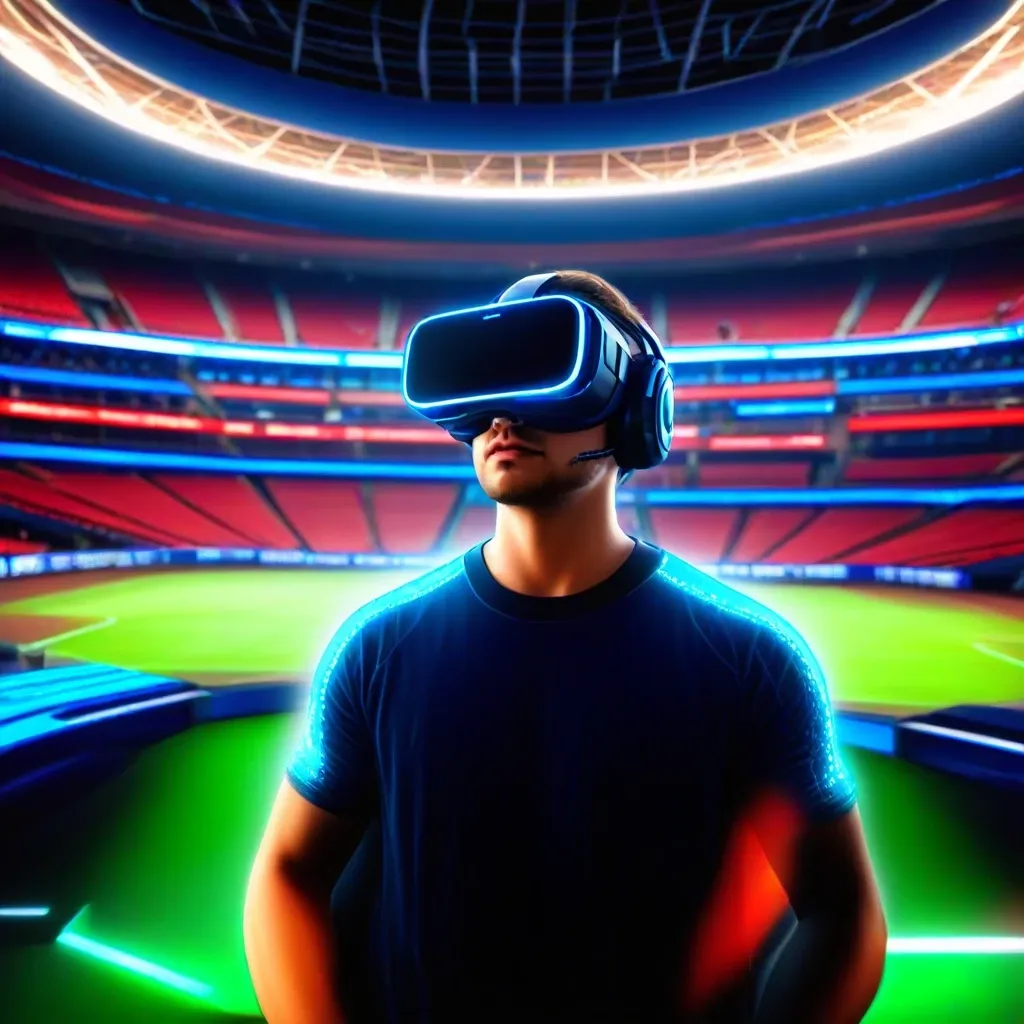
VR betting is rapidly changing the landscape of online gambling, offering a host of benefits that traditional platforms simply can’t match. One of the most significant advantages is the immersive experience. Imagine placing a bet and feeling like you’re actually at the stadium, hearing the roar of the crowd, or sitting at a poker table in a high-roller casino, all from the comfort of your home. This heightened sense of presence intensifies the excitement and enjoyment of betting.
Beyond immersion, VR betting fosters social interaction. Players can connect with others in virtual environments, sharing the thrill of a win or the sting of a loss. It’s like betting with friends at your favorite sports bar, but without the travel or the noise. This social element adds a layer of community and camaraderie that is often missing from solitary online betting.
VR betting opens up a range of new opportunities. Special VR-only events and rewards can enhance user experience, such as virtual meet-and-greets with athletes or exclusive access to VIP lounges. These one-of-a-kind experiences add value and make VR betting more appealing.
Furthermore, VR platforms are leveraging blockchain technology to ensure transparency and security. Blockchain payments streamline transactions and improve trust. The integration of blockchain registries further assures that all betting data is secure and fair. VR betting gives its users a personalized experience.
The Technology Behind VR Betting Platforms
VR betting platforms represent a fusion of cutting-edge technologies, demanding a robust technical infrastructure to deliver immersive and secure experiences. The foundation lies in sophisticated software development, leveraging VR development tools and engines to construct interactive and visually appealing betting environments. These tools allow developers to simulate realistic casino settings or sporting arenas, enhancing user engagement.
VR hardware, including headsets and controllers, plays a crucial role in translating user actions into the virtual world. The software must be optimized to perform efficiently across various hardware configurations to ensure a seamless user experience.
Blockchain technology is often integrated to provide secure and transparent transactions. Utilizing blockchain can provide an immutable record of all bets and payouts, adding a layer of trust for users. Smart contracts automate payouts based on predefined conditions, eliminating the need for manual intervention and minimizing the risk of disputes. This further boosts transparency and security.
Security protocols are paramount to protecting user data and funds. Robust encryption methods secure data in transit and at rest. Multi-factor authentication adds extra security layers to prevent unauthorized platform access. Secure payment gateways are essential for processing deposits and withdrawals, ensuring that financial transactions are handled safely.
The Legal and Regulatory Landscape
The emergence of VR betting introduces a complex web of legal and regulatory challenges. Traditional gambling laws, crafted long before the advent of immersive virtual environments, often struggle to adapt to this novel form of wagering. This creates significant ambiguity, as jurisdictions grapple with whether existing regulations adequately cover VR betting activities or if new legislation is required.
A central issue revolves around licensing. Should VR betting platforms be subject to the same licensing requirements as traditional online casinos, or do they necessitate a distinct regulatory framework? Furthermore, ensuring compliance with both local and international laws presents logistical hurdles. How can regulators effectively monitor and oversee betting activities within a virtual space, especially when users might be accessing platforms from different geographical locations?
Responsible gambling measures are also paramount. VR’s immersive nature may heighten the risk of addiction, making robust safety nets crucial. Age verification is another critical concern. Platforms need to implement foolproof systems to prevent underage individuals from participating in VR betting, safeguarding vulnerable populations from potential harm.
The legal and regulatory landscape surrounding VR betting is still in its nascent stages. As the technology evolves and its popularity grows, expect ongoing discussions and debates aimed at establishing clear, comprehensive guidelines that balance innovation with consumer protection and responsible gambling practices.
Future Trends and Innovations in VR Betting
The future of VR betting is poised for exciting advancements, driven by technological innovations and evolving user expectations. Several key trends are emerging that promise to reshape the landscape of online gambling.
One significant development is the integration of Artificial Intelligence (AI). AI can analyze vast amounts of data to provide personalized betting advice, predict outcomes with greater accuracy, and even tailor the VR environment to individual user preferences. Imagine a VR casino that adjusts its atmosphere and game recommendations based on your betting history and risk tolerance.
Augmented Reality (AR) elements are also likely to find their way into VR betting platforms. AR could overlay real-world information onto the virtual environment, creating new and unique betting opportunities. For example, you might be able to bet on the outcome of a live sporting event while virtually sitting courtside, with real-time stats and odds displayed directly in your field of vision.
Haptic feedback technology is another area with immense potential. By allowing users to physically interact with virtual objects, haptic feedback can enhance the sense of immersion and realism. Imagine feeling the texture of virtual cards in your hand or the weight of virtual dice as you roll them. This technology could also pave the way for completely new types of bets based on physical interactions within the VR environment.
These innovations, combined with the increasing accessibility of VR technology, suggest a future where VR betting is more personalized, immersive, and engaging than ever before. New betting markets will emerge, catering to specific interests and preferences, further solidifying VR’s position as a major player in the online gambling industry.
Overcoming Challenges and Obstacles
For VR betting to truly become a mainstream phenomenon, several significant hurdles must be addressed. VR adoption challenges stem from both technological limitations and practical considerations.
The cost of entry remains a primary barrier. High-end VR headsets and the necessary computing power can be expensive, limiting accessibility for many potential users. Furthermore, usability problems persist. VR can be disorienting or uncomfortable for some, impacting the overall betting experience.
Regulatory uncertainty adds another layer of complexity. The legal landscape surrounding VR betting is still evolving, and compliance costs can be substantial. Operators must navigate differing regulations across jurisdictions, creating a challenging environment.
Finally, ethical concerns cannot be ignored. Responsible gambling measures are crucial to mitigate risks associated with VR betting, ensuring that it remains a safe and enjoyable form of entertainment.
Getting Started: How to Explore VR Betting Today
Virtual reality betting is still in its early stages, but several avenues exist for those eager to explore this technology. Budding VR gamblers can start by researching available VR betting platforms and online VR casinos accessible with VR headsets. Depending on the platform, users might find opportunities for VR sports betting or casino games like poker, slots, and blackjack.
Remember that VR betting, like all forms of gambling, carries inherent risks. It’s crucial to practice responsible gambling habits from the start. Set clear spending limits before entering the virtual casino and stick to them. Take regular breaks to avoid getting lost in the immersive experience. Be aware of gambling addiction signs, such as chasing losses, spending more than intended, or neglecting responsibilities. If you or someone you know is struggling with problem gambling, seek help. Many resources are available, including helplines and support groups.
Conclusion
VR betting is poised to redefine the gambling landscape. Its immersive nature, combined with cutting-edge technology, unlocks a new level of engagement for users. Innovation continues to drive its development, and the potential is vast. Stay tuned for expert insights as VR betting evolves, shaping the future of immersive gambling experiences. The VR betting future will be interesting.